Home › Caribbean & West Indies › Why the Cocks Fight: Dominicans, Haitians, and the Struggle for Hispaniola

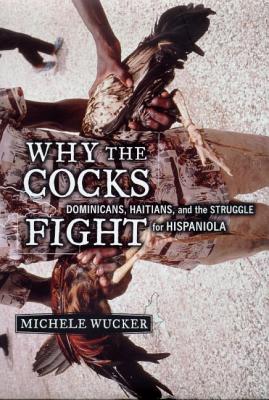
Why the Cocks Fight: Dominicans, Haitians, and the Struggle for Hispaniola

by Michele Wucker

Cockfighting as a lens on Hispaniola

Regular price $18.95 USD
Regular price $31.59 USD Sale price $18.95 USD
Save 40%

Paperback New

Delivery to your door
In stock·Dispatches in 1–2 business days
Standard shipping* from $4.35
Standard shipping transit* 5–8 business days after dispatch

Faster options are available.

Rates and delivery estimates depend on your destination and item quantity. Estimates are informational only; the final shipping method and rate are selected at checkout.

Secure checkout
American Express Apple Pay DiscoverGoogle Pay Mastercard PayPalVisa
30-day eligible returns Returns & refunds policy

AlbakiReads Editorial

Cockfighting as a lens on Hispaniola

Michele Wucker uses the shared symbolism of roosters and cockfighting to examine the intertwined yet divided histories of Haiti and the Dominican Republic. The book connects the ritual’s customs to each country’s politics and contemporary life, then considers their relations with the United States, including the interventions described in the source. Wucker argues that political leaders have sometimes amplified nationalist disputes and cultural or racial differences to divert attention from other turmoil. This approach brings together ritual, national identity, Caribbean history, and the forces that continue to shape relations across Hispaniola.

Good fit for readers who enjoy

  • Readers interested in Haitian and Dominican history and politics.
  • Readers exploring Caribbean-U.S. relations and the history of intervention.
  • Readers curious about how cultural rituals can reflect national identity and conflict.

Themes

Hispaniola’s divided and shared historiesCockfighting and national symbolismNationalism and political conflictU.S. involvement in the Caribbean

Based on publisher information and book metadata.

Book overview

Like two roosters in a fighting arena, Haiti and the Dominican Republic are encircled by barriers of geography and poverty. They co-inhabit the Caribbean island of Hispaniola, but their histories are as deeply divided as their cultures: one French-speaking and black, one Spanish-speaking and mulatto. Yet, despite their antagonism, the two countries share a national symbol in the rooster--and a fundamental activity and favorite sport in the cockfight. In this book, Michele Wucker asks: "If the symbols that dominate a culture accurately express a nation's character, what kind of a country draws so heavily on images of cockfighting and roosters, birds bred to be aggressive? What does it mean when not one but two countries that are neighbors choose these symbols? Why do the cocks fight, and why do humans watch and glorify them?"

Wucker studies the cockfight ritual in considerable detail, focusing as much on the customs and histories of these two nations as on their contemporary lifestyles and politics. Her well-cited and comprehensive volume also explores the relations of each nation toward the United States, which twice invaded both Haiti (in 1915 and 1994) and the Dominican Republic (in 1916 and 1965) during the twentieth century. Just as the owners of gamecocks contrive battles between their birds as a way of playing out human conflicts, Wucker argues, Haitian and Dominican leaders often stir up nationalist disputes and exaggerate their cultural and racial differences as a way of deflecting other kinds of turmoil. Thus Why the Cocks Fight highlights the factors in Caribbean history that still affect Hispaniola today, including the often contradictory policies of the U.S.

Shipping & returnsShipping options, delivery timing, and our return policy.

In-stock items normally dispatch within 1–2 business days. The ZIP-code estimator on this page is informational only; the final shipping method, price, and availability are confirmed at checkout for your full order.

For the initial delivery estimate we use these transit windows after dispatch: Standard 5–8 business days, Expedited 2–4 business days, and Priority 1–2 business days. Holiday delays are not included.

Eligible items can be returned within 30 days in accordance with our return policy.

Customer reviews