Home › Animal Welfare › Where Have All the Bees Gone?: Pollinators in Crisis

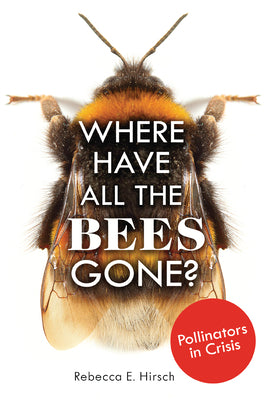
Where Have All the Bees Gone?: Pollinators in Crisis

by Rebecca E. Hirsch

Bees, food, and a changing habitat

Regular price $18.12 USD
Regular price $30.21 USD Sale price $18.12 USD
Save 40%

Paperback New

Delivery to your door
In stock·Dispatches in 1–2 business days
Standard shipping* from $4.35
Standard shipping transit* 5–8 business days after dispatch

Faster options are available.

Rates and delivery estimates depend on your destination and item quantity. Estimates are informational only; the final shipping method and rate are selected at checkout.

Secure checkout
American Express Apple Pay DiscoverGoogle Pay Mastercard PayPalVisa
30-day eligible returns Returns & refunds policy

AlbakiReads Editorial

Bees, food, and a changing habitat

Rebecca E. Hirsch connects bees’ role in pollinating food crops with the pressures affecting their populations. The book introduces bee diversity through their nests, colonies, and life cycles, then examines threats including disease, pesticides, climate change, and habitat loss. Its subject reaches from familiar foods such as apples and coffee to the flowering plants that depend on pollinators. The closing focus on ways to help gives the ecological overview a practical dimension, while keeping the connection between bee conservation and human food supplies in view.

Good fit for readers who enjoy

  • Teens and young adults interested in bees and other pollinators.
  • Readers curious about how pollination connects wildlife, plants, and food.
  • Those seeking an introduction to threats facing bee populations and ways to help.

Themes

Pollination and food systemsBee biology and diversityHabitat loss and environmental pressuresPollinator conservation

Based on publisher information and book metadata.

Book overview

Apples, blueberries, peppers, cucumbers, coffee, and vanilla. Do you like to eat and drink? Then you might want to thank a bee.

Bees pollinate 75 percent of the fruits, vegetables, and nuts grown in the United States. Around the world, bees pollinate $24 billion worth of crops each year. Without bees, humans would face a drastically reduced diet. We need bees to grow the foods that keep us healthy.

But numbers of bees are falling, and that has scientists alarmed. What's causing the decline? Diseases, pesticides, climate change, and loss of habitat are all threatening bee populations. Some bee species teeter on the brink of extinction. Learn about the many bee species on Earth--their nests, their colonies, their life cycles, and their vital connection to flowering plants. Most importantly, find out how you can help these important pollinators.

"If we had to try and do what bees do on a daily basis, if we had to come out here and hand pollinate all of our native plants and our agricultural plants, there is physically no way we could do it. . . . Our best bet is to conserve our native bees." --ecologist Rebecca Irwin, North Carolina State University

Shipping & returnsShipping options, delivery timing, and our return policy.

In-stock items normally dispatch within 1–2 business days. The ZIP-code estimator on this page is informational only; the final shipping method, price, and availability are confirmed at checkout for your full order.

For the initial delivery estimate we use these transit windows after dispatch: Standard 5–8 business days, Expedited 2–4 business days, and Priority 1–2 business days. Holiday delays are not included.

Eligible items can be returned within 30 days in accordance with our return policy.

Customer reviews

M
AlbakiReads
Malaika Taylor

I highly recommend to for anyone looking for inner clarity

T
AlbakiReads
Thomas DiMassa

Great service and fast service

Great shopping experience! The book arrived quickly, was well packaged, and matched the description perfectly. I would definitely shop with you again

O
AlbakiReads
Olivia

Smooth.