Home › Architecture › Tin Tabernacles and other Corrugated Iron Buildings in Scotland

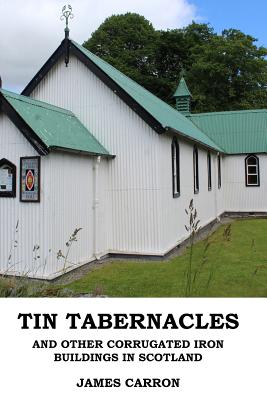
Tin Tabernacles and other Corrugated Iron Buildings in Scotland

by James Carron

Scotland’s corrugated-iron buildings

Regular price $21.07 USD
Regular price $28.10 USD Sale price $21.07 USD
Save 25%

Paperback New English

Delivery to your door
In stock·Dispatches in 1–2 business days
Standard shipping* from $4.35
Standard shipping transit* 5–8 business days after dispatch

Faster options are available.

Rates and delivery estimates depend on your destination and item quantity. Estimates are informational only; the final shipping method and rate are selected at checkout.

Secure checkout
American Express Apple Pay DiscoverGoogle Pay Mastercard PayPalVisa
30-day eligible returns Returns & refunds policy

AlbakiReads Editorial

Scotland’s corrugated-iron buildings

Tracing corrugated iron construction from the 1830s to the Second World War, James Carron’s book documents a distinctive strand of Scotland’s architectural history. Its subject ranges from tin tabernacles and mission halls to schools, hospitals, homes and cottages, including kit-built buildings sent to rural and remote communities. The account also considers how a material commonly associated with industrial and agricultural structures became part of both urban and rural landscapes. Many of the buildings described were intended as inexpensive or temporary solutions; some remain standing and in use, giving the book a focus on the architectural traces of practical building choices.

Good fit for readers who enjoy

  • Readers interested in Scottish architectural and building history
  • Those curious about corrugated-iron structures and kit-built buildings
  • Readers exploring historic buildings in rural and remote communities

Themes

Corrugated iron constructionScottish architectural historyKit-built buildingsRural and urban landscapes

Based on publisher information and book metadata.

Book overview

Corrugated iron is a common sight in industrial and agricultural buildings. Less common are the tin tabernacles, mission halls, hospitals, schools, houses and cottages constructed during the 19th and early 20th centuries. Derided by some, overlooked by others, those that remain standing to this day are legacy to a branch of architecture that dared to be different. Born of necessity, this black sheep of the building trade matured into a distinctive and delightful character of both the rural and urban landscape. Charting the history of corrugated iron as a construction material from its earliest days in the 1830s through to the Second World War, this book explores the once thriving market for kit-built kirks, ready to assemble reading rooms and off-the-shelf schools that sprung up across Scotland, often in some of the most remote and far flung corners of the country. Inexpensive to erect and frequently regarded as a temporary fix, many of these quirky little buildings remain standing and in use to this day.
Shipping & returnsShipping options, delivery timing, and our return policy.

In-stock items normally dispatch within 1–2 business days. The ZIP-code estimator on this page is informational only; the final shipping method, price, and availability are confirmed at checkout for your full order.

For the initial delivery estimate we use these transit windows after dispatch: Standard 5–8 business days, Expedited 2–4 business days, and Priority 1–2 business days. Holiday delays are not included.

Eligible items can be returned within 30 days in accordance with our return policy.

Customer reviews