


Book overview
How technical drawings shaped early engineering practice.
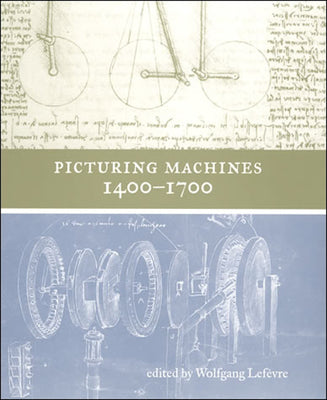
Technical drawings by the architects and engineers of the Renaissance made use of a range of new methods of graphic representation. These drawings--among them Leonardo da Vinci's famous drawings of mechanical devices--have long been studied for their aesthetic qualities and technological ingenuity, but their significance for the architects and engineers themselves is seldom considered. The essays in Picturing Machines 1400-1700 take this alternate perspective and look at how drawing shaped the practice of early modern engineering. They do so through detailed investigations of specific images, looking at over 100 that range from sketches to perspective views to thoroughly constructed projections.
In early modern engineering practice, drawings were not merely visualizations of ideas but acted as models that shaped ideas. Picturing Machines establishes basic categories for the origins, purposes, functions, and contexts of early modern engineering illustrations, then treats a series of topics that not only focus on the way drawings became an indispensable means of engineering but also reflect the main stages in their historical development. The authors examine the social interaction conveyed by early machine images and their function as communication between practitioners; the knowledge either conveyed or presupposed by technical drawings, as seen in those of Giorgio Martini and Leonardo; drawings that required familiarity with geometry or geometric optics, including the development of architectural plans; and technical illustrations that bridged the gap between practical and theoretical mechanics.


