Home › Fiber Optics › Optical Communications: Components and Systems

Optical Communications: Components and Systems

by Josephine Winston

A reference on optical communication systems

Regular price $126.50 USD
Regular price $180.72 USD Sale price $126.50 USD
Save 30%

Hardcover New

Delivery to your door
In stock·Dispatches in 1–2 business days
Standard shipping* from $4.35
Standard shipping transit* 5–8 business days after dispatch

Faster options are available.

Rates and delivery estimates depend on your destination and item quantity. Estimates are informational only; the final shipping method and rate are selected at checkout.

Secure checkout
American Express Apple Pay DiscoverGoogle Pay Mastercard PayPalVisa
30-day eligible returns Returns & refunds policy

AlbakiReads Editorial

A reference on optical communication systems

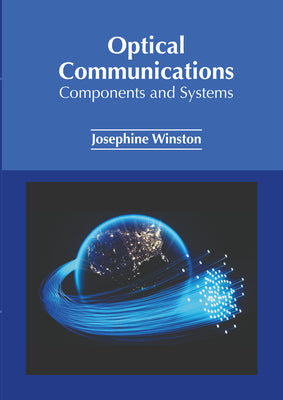
Optical Communications: Components and Systems brings together work on the technologies that carry information as light. Its subject spans the basic transmitter–channel–receiver arrangement and the components used in optical networks, including fiber, amplifiers, lasers, switches, and routers. The description also outlines how light is guided through optical fiber and identifies system characteristics such as bandwidth, signal loss, transmission range, and interference. Framed as a reference, the book gathers material on varied topics in optical communications, connecting foundational system elements with the hardware used in modern networks.

Good fit for readers who enjoy

  • Graduate and postgraduate students studying optical communications or fiber optics
  • Technical readers seeking a reference on optical-network components and system fundamentals

Themes

Optical communication systemsFiber-optic transmissionNetwork componentsSignal transmission and reception

Based on publisher information and book metadata.

Book overview

Optical communication refers to any type of communication that uses light to carry information. An optical communication system is composed of three major components, which include a transmitter, channel and receiver. Transmitter is used to encode a message into an optical signal. Semiconductor devices such as light-emitting diodes (LEDs) and laser diodes are the most commonly used transmitters. The function of a channel is to carry the signal to its destination. Receiver is a component that reproduces the message from the received optical signal. Modern communication relies on optical networking systems which use optical fiber, optical amplifiers, lasers, switches, and routers. The most common type of channel used for optical communications is the optical fiber. The light in an optical fiber is guided by the principle of total internal reflection. The main advantages of optical communication include high bandwidth, exceptionally low loss, large transmission range, and no electromagnetic interference. This book includes some of the vital pieces of work being conducted across the world on various topics related to optical communications. It will serve as a valuable source of reference for graduate and postgraduate students.
Shipping & returnsShipping options, delivery timing, and our return policy.

In-stock items normally dispatch within 1–2 business days. The ZIP-code estimator on this page is informational only; the final shipping method, price, and availability are confirmed at checkout for your full order.

For the initial delivery estimate we use these transit windows after dispatch: Standard 5–8 business days, Expedited 2–4 business days, and Priority 1–2 business days. Holiday delays are not included.

Eligible items can be returned within 30 days in accordance with our return policy.

Customer reviews

M
AlbakiReads
Malaika Taylor

I highly recommend to for anyone looking for inner clarity

T
AlbakiReads
Thomas DiMassa

Great service and fast service

Great shopping experience! The book arrived quickly, was well packaged, and matched the description perfectly. I would definitely shop with you again

O
AlbakiReads
Olivia

Smooth.