Home › Economics › Fr the Global Financial Tsunami to Property Bubbles in Asia

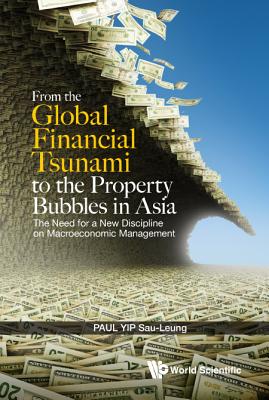
Fr the Global Financial Tsunami to Property Bubbles in Asia

by Yip Paul Sau-Leung Publisher: WORLD SCIENTIFIC PUB CO INC

Monetary policy, housing markets, and bubble risk in Asia

Regular price $103.06 USD
Regular price $114.52 USD Sale price $103.06 USD
Save 10%

Hardcover New English

In stock · Dispatches in 1–2 business days
Delivery to your door
In stock·Dispatches in 1–2 business days
Standard shipping* from $4.35
Standard shipping transit* 5–8 business days after dispatch

Faster options are available.

Rates and delivery estimates depend on your destination and item quantity. Estimates are informational only; the final shipping method and rate are selected at checkout.

Secure checkout
American Express Apple Pay DiscoverGoogle Pay Mastercard PayPalVisa
30-day eligible returns Returns & refunds policy

AlbakiReads Editorial

Monetary policy, housing markets, and bubble risk in Asia

Yip Paul Sau-Leung connects the aftermath of the Global Financial Tsunami to property-market pressures across Asian economies. The book examines how quantitative easing is presented as both a response to the risk of depression and a factor in the growth of property bubbles, alongside market structures that give developers pricing and hoarding power. It also organizes asset bubbles into seeding, development, and final stages, then considers how recognizing those stages might inform policy and investment decisions. Hong Kong and India figure in the discussion of potential risks, while the broader argument reaches into housing affordability, crisis prevention, and the management of macroeconomic institutions.

Good fit for readers who enjoy

  • Readers interested in Asian economies, housing markets, and financial crises.
  • Students or practitioners exploring quantitative easing and asset bubbles.
  • Investors seeking a framework for thinking about bubble stages across asset markets.

Themes

Quantitative easing and property bubblesAsian housing-market structuresAsset-bubble stages and crisis preventionMacroeconomic management

Based on publisher information and book metadata.

Book overview

This book discusses the formation of the current huge property bubbles in many Asian economies and the high likelihood of another Asian financial crisis due to the eventual bursting of these property bubbles. In particular, it explains:

  • How the Quantitative Easing (QE) programs helped avoid a great depression after the Global Financial Tsunami;
  • How the QE programs contributed to the formation of huge property bubbles in many Asian economies;
  • The pricing power and hoarding power of Asian developers due to the market structure problem and the indicator effect (from new property prices to resale property prices) in Asian housing markets;
  • The role of the market structure problem and indicator effect in the formation of the current property bubbles in many Asian economies;
  • The important characteristics of the seeding stage, the development stage and the final stage of an asset bubble;
  • How the understanding of these characteristics could help policy makers in pre-empting or curbing an asset bubble, and help investors in properties, shares and other assets investments;
  • The high likelihood of an eventual bursting of the gigantic property bubbles in Hong Kong, India or another Asian economy, which would in turn trigger another Asian financial crisis;
  • The underlying causes of the housing problems (especially high real housing prices) in Asia, and the recommended long-term solution.

In view of the huge costs due to the macroeconomic policy mistakes in many developing economies and some advanced economies, this book recommends the development of a new economic discipline on macroeconomic management and rigorous selection procedures of key economic and monetary officials. If properly done, these would help pre-empt financial crises, currency crises and asset bubbles in the future.

Shipping & returnsShipping options, delivery timing, and our return policy.

In-stock items normally dispatch within 1–2 business days. The ZIP-code estimator on this page is informational only; the final shipping method, price, and availability are confirmed at checkout for your full order.

For the initial delivery estimate we use these transit windows after dispatch: Standard 5–8 business days, Expedited 2–4 business days, and Priority 1–2 business days. Holiday delays are not included.

Eligible items can be returned within 30 days in accordance with our return policy.

Customer reviews

M
AlbakiReads
Malaika Taylor

I highly recommend to for anyone looking for inner clarity

T
AlbakiReads
Thomas DiMassa

Great service and fast service

Great shopping experience! The book arrived quickly, was well packaged, and matched the description perfectly. I would definitely shop with you again

O
AlbakiReads
Olivia

Smooth.