Home › Architecture › The Buddhas of Bamiyan

The Buddhas of Bamiyan

by Llewelyn Morgan

A landmark at the crossroads of Afghanistan’s past

Regular price $32.56 USD
Regular price $46.52 USD Sale price $32.56 USD
Save 30%

Paperback New English

Delivery to your door
In stock·Dispatches in 1–2 business days
Standard shipping* from $4.35
Standard shipping transit* 5–8 business days after dispatch

Faster options are available.

Rates and delivery estimates depend on your destination and item quantity. Estimates are informational only; the final shipping method and rate are selected at checkout.

Secure checkout
American Express Apple Pay DiscoverGoogle Pay Mastercard PayPalVisa
30-day eligible returns Returns & refunds policy

AlbakiReads Editorial

A landmark at the crossroads of Afghanistan’s past

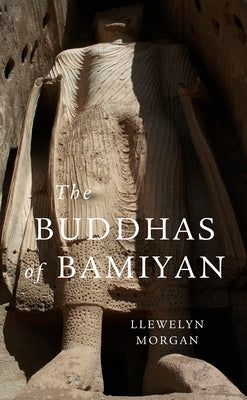
Llewelyn Morgan traces the Bamiyan Buddhas across centuries of religious and cultural change, from their creation amid artistic influences spanning South and Central Asia to their place in the Islamic world and their destruction in 2001. The account connects the monuments’ history to the Bamiyan Valley’s position on the Silk Road and to later tensions involving Afghanistan and the Hazara people. Voices of people who encountered the figures—including holy men, adventurers, and hostages—help frame the book’s historical exploration of how a monument’s meaning can shift across communities and eras.

Good fit for readers who enjoy

  • Readers interested in the history and architecture of religious monuments.
  • Those exploring Afghanistan, the Silk Road, and the region’s cultural history.
  • Readers interested in how the meaning of religious symbols changes across communities and time.

Themes

Buddhist art and architectureCultural and religious exchangeAfghanistan and the Bamiyan ValleyMonuments, memory, and identity

Based on publisher information and book metadata.

Book overview

For 1,400 years, two colossal figures of the Buddha overlooked the fertile Bamiyan Valley on the Silk Road in Afghanistan. Witness to a melting pot of passing monks, merchants, and armies, the Buddhas embodied the intersection of East and West, and their destruction by the Taliban in 2001 provoked international outrage. Llewelyn Morgan excavates the layers of meaning these vanished wonders hold for a fractured Afghanistan.

Carved in the sixth and seventh centuries, the Buddhas represented a confluence of religious and artistic traditions from India, China, Central Asia, and Iran, and even an echo of Greek influence brought by Alexander the Great's armies. By the time Genghis Khan destroyed the town of Bamiyan six centuries later, Islam had replaced Buddhism as the local religion, and the Buddhas were celebrated as wonders of the Islamic world. Not until the nineteenth century did these figures come to the attention of Westerners. That is also the historical moment when the ground was laid for many of Afghanistan's current problems, including the rise of the Taliban and the oppression of the Hazara people of Bamiyan. In a strange twist, the Hazaras--descendants of the conquering Mongol hordes who stormed Bamiyan in the thirteenth century--had come to venerate the Buddhas that once dominated their valley as symbols of their very different religious identity.

Incorporating the voices of the holy men, adventurers, and hostages throughout history who set eyes on the Bamiyan Buddhas, Morgan tells the history of this region of paradox and heartache.

Shipping & returnsShipping options, delivery timing, and our return policy.

In-stock items normally dispatch within 1–2 business days. The ZIP-code estimator on this page is informational only; the final shipping method, price, and availability are confirmed at checkout for your full order.

For the initial delivery estimate we use these transit windows after dispatch: Standard 5–8 business days, Expedited 2–4 business days, and Priority 1–2 business days. Holiday delays are not included.

Eligible items can be returned within 30 days in accordance with our return policy.

Customer reviews