Home › Climatic › A Beginner's Guide to Edible Fungi Mushrooms

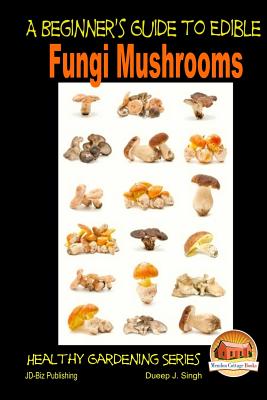
A Beginner's Guide to Edible Fungi Mushrooms

by John Davidson

An introduction to mushrooms in food, cultivation, and foraging

Regular price $10.75 USD
Regular price $14.34 USD Sale price $10.75 USD
Save 25%

Paperback New

Delivery to your door
In stock·Dispatches in 1–2 business days
Standard shipping* from $4.35
Standard shipping transit* 5–8 business days after dispatch

Faster options are available.

Rates and delivery estimates depend on your destination and item quantity. Estimates are informational only; the final shipping method and rate are selected at checkout.

Secure checkout
American Express Apple Pay DiscoverGoogle Pay Mastercard PayPalVisa
30-day eligible returns Returns & refunds policy

AlbakiReads Editorial

An introduction to mushrooms in food, cultivation, and foraging

The guide ranges from familiar culinary mushrooms—including morels, chanterelles, porcini, and oyster mushrooms—to poisonous varieties such as the death cap and fly agaric. Its contents also include mushroom cultivation at home, medicinal uses, and precautions for hunting fungi in the wild. The supplied introduction stresses that distinguishing edible from poisonous mushrooms requires experience, making the safety topic central to the book’s scope. The description lists subjects but provides little detail about how identification or foraging guidance is presented, so it should not be treated as evidence that a particular mushroom is safe to eat.

Good fit for readers who enjoy

  • Beginners seeking an overview of mushroom varieties and their culinary uses
  • Home growers interested in the book’s coverage of mushroom cultivation
  • Readers curious about wild mushroom foraging and the risks of poisonous species

Themes

Culinary mushroomsMushroom cultivationWild foraging precautionsPoisonous fungiMedicinal uses

Based on publisher information and book metadata.

Book overview

A Beginner's Guide to Edible Fungi Mushrooms Table of Contents Introduction Knowing more about Mushrooms Mushrooms in Medicine Cultivated varieties Of Mushrooms Types of Popular Mushrooms in Cuisine Morels Chanterelles Cantharellus cibarius or trumpet mushrooms Black Trumpets Porcini Shitake or Golden oak mushrooms Oyster Mushrooms Enoki Mushrooms Portobello Mushrooms Truffles Hon- Shimeji- Beech Mushroom The Death Cap - Amanita phalloides Fly Agaric- Amanita muscaria How to Avoid the After Effects of Inedible Mushrooms Tips Precautions while Hunting Mushrooms in the Wild Cultivating Mushrooms in Your Home Conclusion Author Bio Publisher Introduction For millenniums, mankind has been looking towards nature to find easily available food supplements. While animals and birds provided him with protein, he also looked towards the plant kingdom to provide you with herbs, spices, and other edible means of food. Out of these mushrooms and all their varieties have been an integral part of his cuisine down the centuries, all over the world. In ancient China mushrooms were used in alternative medicine more than 3000 years ago. They are still used to cure a number of ailments, along with problems related to the nerves, mind and psyche. The mushrooms used here in minute quantities have psychoactive and psychedelic properties. That is why ancient medicine men normally gave them to patients, who believed that they had gone through a spiritual trance which was life defining. These psychedelic trance inducing mushrooms are now called shrooms and even though they are illegal in many parts of the world, they are eaten by people who want a "fix". Edible mushrooms are called mushrooms, while the poisonous varieties were called toadstools. Only very experienced "mushroomists" know the difference between an edible variety and a poisonous variety. And this comes only with proper training from older experienced mushroom collectors.
Shipping & returnsShipping options, delivery timing, and our return policy.

In-stock items normally dispatch within 1–2 business days. The ZIP-code estimator on this page is informational only; the final shipping method, price, and availability are confirmed at checkout for your full order.

For the initial delivery estimate we use these transit windows after dispatch: Standard 5–8 business days, Expedited 2–4 business days, and Priority 1–2 business days. Holiday delays are not included.

Eligible items can be returned within 30 days in accordance with our return policy.

Customer reviews