Home › Genres & Styles › Affinities and Medieval Transposition

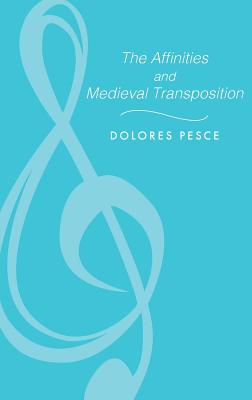
Affinities and Medieval Transposition

by Dolores D. Pesce Publisher: INDIANA UNIV PR

A historical study of modal theory, chant, and transposition

Regular price $35.19 USD
Regular price $35.19 USD Sale price $35.19 USD

Hardcover New English

Delivery to your door
In stock·Dispatches in 1–2 business days
Standard shipping* from $4.35
Standard shipping transit* 5–8 business days after dispatch

Faster options are available.

Rates and delivery estimates depend on your destination and item quantity. Estimates are informational only; the final shipping method and rate are selected at checkout.

Secure checkout
American Express Apple Pay DiscoverGoogle Pay Mastercard PayPalVisa
30-day eligible returns Returns & refunds policy

AlbakiReads Editorial

A historical study of modal theory, chant, and transposition

Dolores D. Pesce examines the medieval idea of affinities—relationships among pitches—and follows its development from the late ninth century through the mid-sixteenth. Bringing together theorists from Hucbald to Glareanus, the book maps changing explanations of modal classification and the practical problems posed by chants that resisted easy categorization. It also traces the intellectual shift away from affinities toward transposition in its modern sense. The discussion connects theoretical writing with questions of notation and musical practice across chant and polyphony, making the volume a focused resource on how medieval musicians and writers organized pitch and mode.

Good fit for readers who enjoy

  • Scholars and students of medieval and early Renaissance music theory
  • Readers researching chant, modality, and notational practices
  • Musicians interested in the historical development of transposition

Themes

Medieval modal theoryPitch relationshipsChant classificationMusical notationTransposition

Based on publisher information and book metadata.

Book overview

The concept of affinities, or pitch relationships, was fundamental to modal theory in the Middle Ages and the early Renaissance. For the first time, Dolores Pesce brings together theoretical perspectives on this subject from the end of the ninth century to the middle of the sixteenth, spanning the ideas of Hucbald through Guido of Arezzo, Jacques de Liege, Marchetta of Padua, Tinctoris, and Aaron to those of Glareanus.

Pesce provides a comprehensive survey of problematic chants and of medieval solutions for them. She also traces the arguments that led to the rejection of the affinities and the acceptance of transposition in the modern sense. Scholars will find this volume invaluable for addressing issues related to modal classification and notational practices, in both chant and polyphony.

Shipping & returnsShipping options, delivery timing, and our return policy.

In-stock items normally dispatch within 1–2 business days. The ZIP-code estimator on this page is informational only; the final shipping method, price, and availability are confirmed at checkout for your full order.

For the initial delivery estimate we use these transit windows after dispatch: Standard 5–8 business days, Expedited 2–4 business days, and Priority 1–2 business days. Holiday delays are not included.

Eligible items can be returned within 30 days in accordance with our return policy.

Customer reviews

M
AlbakiReads
Malaika Taylor

I highly recommend to for anyone looking for inner clarity

T
AlbakiReads
Thomas DiMassa

Great service and fast service

Great shopping experience! The book arrived quickly, was well packaged, and matched the description perfectly. I would definitely shop with you again

O
AlbakiReads
Olivia

Smooth.