


Book overview
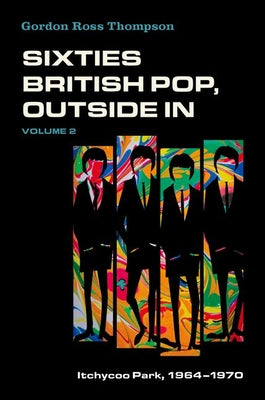
Itchycoo Park, 1964-1970--the second volume of Sixties British Pop, Outside In--explores how London songwriters, musicians, and production crews navigated the era's cultural upheavals by reimagining the pop-music envelope. As the generation born during the postwar years approached adulthood, they gravitated to music that resonated with their lives. Mainstream pop remained true to the basics, but some British artists conjured up sophisticated hybrid forms by recombining elements of jazz, folk, blues, Indian ragas, and western classical music while others returned to the raw essentials. Encouraging these experiments, youth culture's economic power challenged the authority of their parents' generation. Improved amplification opened larger and more lucrative concert venues while the spread of studios with enhanced technologies allowed artists and production crews the means to improve performances and recordings.
British charts began to reflect London's postcolonial heritage as groups such as the Beatles, the Rolling Stones, the Kinks, and the Who all listened for ideas and sounds that would distinguish their recordings. On stage, the Yardbirds, Cream, Led Zeppelin, the Nice, and others led by instrumental virtuosi developed British versions of American blues and rhythm and blues while the Moody Blues, Pink Floyd, and King Crimson painted imaginary worlds. And, although Engelbert Humperdinck and other men lamented independent women, Dusty Springfield, Sandie Shaw, and Lulu used their cultural capital to question systemic sexism.
Based on extensive research, including vintage and original interviews, Itchycoo Park, 1964-1970 presents sixties British pop, not as lists of discrete people and events, but as an interwoven story. Communities of musicians, producers, music directors, engineers, songwriters, publishers, promoters, broadcasters, and journalists interacted as they provided songs, made and played recordings, organized concerts, and celebrated the optimism of youth. They brought audiences together and gave individuals identity while establishing the musical world in which we live today.
British charts began to reflect London's postcolonial heritage as groups such as the Beatles, the Rolling Stones, the Kinks, and the Who all listened for ideas and sounds that would distinguish their recordings. On stage, the Yardbirds, Cream, Led Zeppelin, the Nice, and others led by instrumental virtuosi developed British versions of American blues and rhythm and blues while the Moody Blues, Pink Floyd, and King Crimson painted imaginary worlds. And, although Engelbert Humperdinck and other men lamented independent women, Dusty Springfield, Sandie Shaw, and Lulu used their cultural capital to question systemic sexism.
Based on extensive research, including vintage and original interviews, Itchycoo Park, 1964-1970 presents sixties British pop, not as lists of discrete people and events, but as an interwoven story. Communities of musicians, producers, music directors, engineers, songwriters, publishers, promoters, broadcasters, and journalists interacted as they provided songs, made and played recordings, organized concerts, and celebrated the optimism of youth. They brought audiences together and gave individuals identity while establishing the musical world in which we live today.


