Home › Film › Running Scared: Masculinity and the Representation of the Male Body

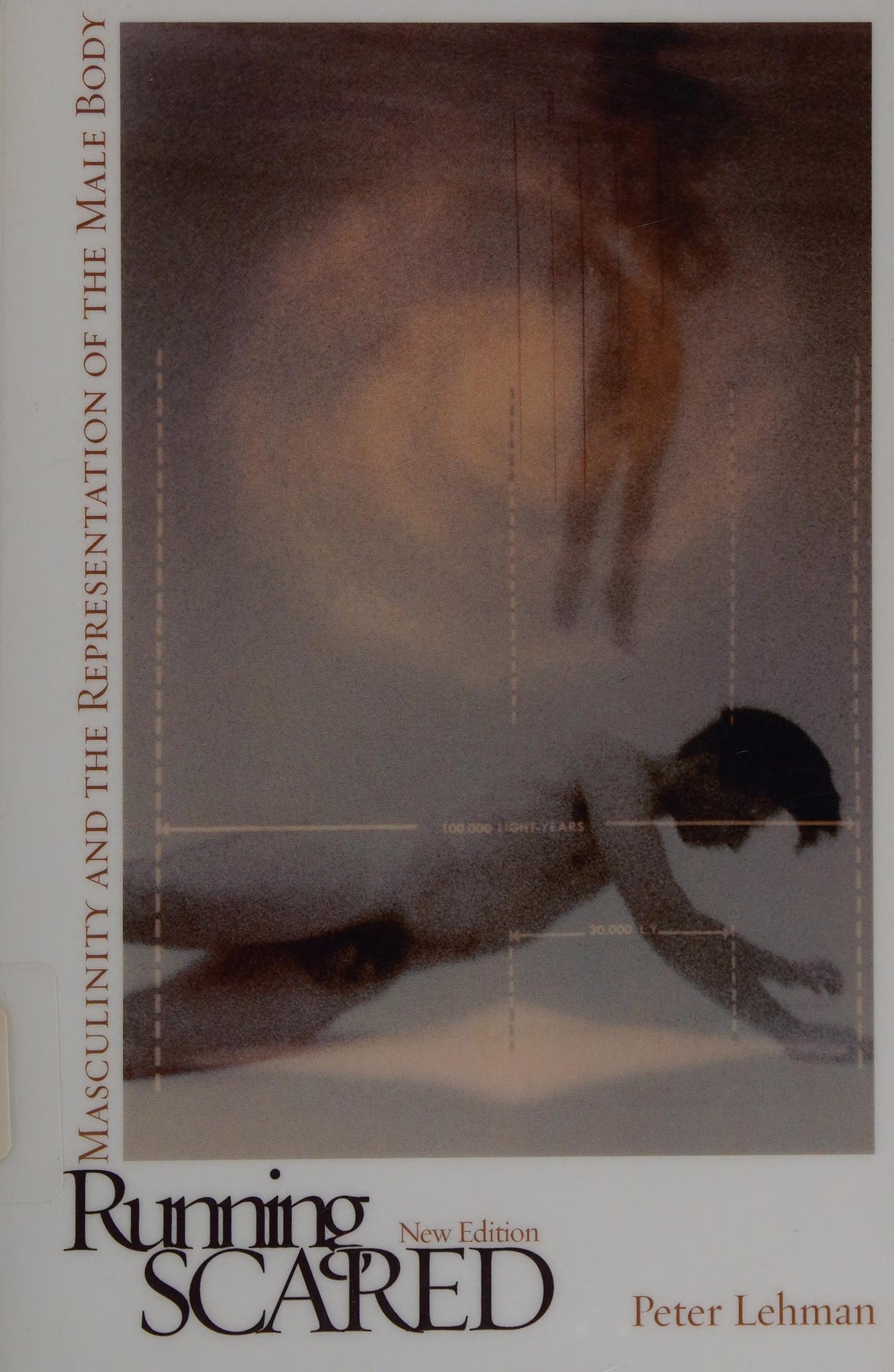
Running Scared: Masculinity and the Representation of the Male Body

by Peter Lehman

Masculinity and the male body across popular culture

Regular price $43.92 USD
Regular price $43.92 USD Sale price $43.92 USD

Paperback New English

Delivery to your door
In stock·Dispatches in 1–2 business days
Standard shipping* from $4.35
Standard shipping transit* 5–8 business days after dispatch

Faster options are available.

Rates and delivery estimates depend on your destination and item quantity. Estimates are informational only; the final shipping method and rate are selected at checkout.

Secure checkout
American Express Apple Pay DiscoverGoogle Pay Mastercard PayPalVisa
30-day eligible returns Returns & refunds policy

AlbakiReads Editorial

Masculinity and the male body across popular culture

Peter Lehman examines how film and other cultural forms represent male sexuality, with particular attention to the concealment of male genitals and the meanings attached to that absence. His discussion ranges across films, fiction, visual art, photography, music, jokes, and video, connecting bodily representation with ideas about power, socialization, and patriarchal culture. The book also considers how gender shapes portrayals of injury, scarring, and aging. Its film analyses include works by Howard Hawks and Nagisa Oshima, alongside chapters on subjects such as medical depictions of male sexuality and Hollywood penis jokes. This edition adds a chapter on male nudity in 1990s films and an updated preface.

Good fit for readers who enjoy

  • Readers studying film criticism, cultural studies, or gender studies.
  • Readers interested in representations of masculinity, sexuality, and the body across media.
  • Readers seeking cross-disciplinary analysis of film, popular culture, and visual representation.

Themes

Masculinity and sexualityThe male body in popular cultureGender, power, and patriarchal cultureBodily representation, injury, and aging

Based on publisher information and book metadata.

Book overview

Running Scared responds to the absence of critical attention to male sexuality in film by bringing representations of phallic masculinity into the spotlight. In his analysis of films, novels, paintings, photographs, popular music, jokes, and videos, Peter Lehman investigates the patriarchal culture that keeps the male body--and especially male genitals--out of sight. Lehman documents the pervasive anxiety underlying images of the male body, arguing that attempts to keep male sexuality hidden in the pursuit of "good taste" and an avoidance of perversion maintains the "male mystique" and preserves the power of the phallus.

Lehman examines representations of the male body and male sexuality in a variety of settings and through many different lenses. Among the films he analyzes are Howard Hawks's Rio Bravo and Rio Lobo; Scarlet Street; feral child films The Wild Child, Kaspar House, and Greystoke; and Nagisa Oshima's In the Realm of the Senses. In these works, Lehman explores the symbolic enculturation of males, assumptions about power and the male body, and the ways that men's and women's bodies are marked differently with regard to scarring, wounding, and aging. In addition to film, Lehman also considers such varied material as Jim Thompson's noir novel The Nothing Man, sexology and medical representations of male sexuality, the video Dick Talk, penis jokes in Hollywood films of the 1970s and 1980s, and popular music by Roy Orbison. This edition of Running Scared also includes a new chapter on male nudity in the films of the 1990s, adding fresh analysis to this classic text. An updated preface situates the book within the current critical climate.

Scholars of film studies, cultural studies, and gender studies and general readers interested in representations of gender and sexuality will appreciate this valuable text.

Shipping & returnsShipping options, delivery timing, and our return policy.

In-stock items normally dispatch within 1–2 business days. The ZIP-code estimator on this page is informational only; the final shipping method, price, and availability are confirmed at checkout for your full order.

For the initial delivery estimate we use these transit windows after dispatch: Standard 5–8 business days, Expedited 2–4 business days, and Priority 1–2 business days. Holiday delays are not included.

Eligible items can be returned within 30 days in accordance with our return policy.

Customer reviews