


Book overview
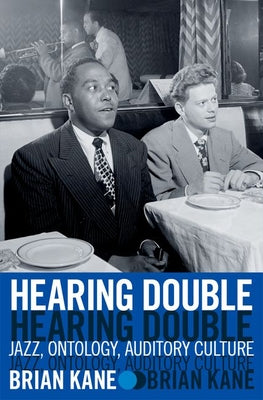
When we talk about a jazz "standard" we usually mean one of the many songs that jazz musicians repeatedly play as part of their core repertoire. But unlike musical works in the tradition of so-called classical music, standards--whether plucked from the "Great American Songbook" or from recordings by other jazz musicians--are always being transformed in performance. They are rearranged and improvised upon, given new chords and altered melodies. These transformations might be small and seemingly unimportant, or they might be radical revisions. Which raises the question: across all of these various performances, what gives a standard its identity?
In Hearing Double author Brian Kane answers that question by offering a new theory of musical works that can account for the unique challenges presented by standards. Building from the bottom up--from the actual practices of jazz musicians toward their philosophical implications--he gives a comprehensive theory of how a standard can undergo radical musical transformations yet remain identifiable. Through an analysis of the historical and cultural conditions under which standards came to prominence he shows how popular music from the 1930s to the 1960s was circulated and distributed and provides new insight into why the era of the standard emerged when it did. In addition, Kane addresses the aesthetic significance of standards and describes a special mode of listening that standards require. According to Kane, we effectively "hear double"--hearing an ideal song in our minds at the same time as we hear the live performance with our ears. Filled with case studies and music analysis, Hearing Double will draw the reader's attention to unheard aspects of jazz performance as well as unrecognized philosophical, social, and cultural dimensions of the jazz repertoire.
In Hearing Double author Brian Kane answers that question by offering a new theory of musical works that can account for the unique challenges presented by standards. Building from the bottom up--from the actual practices of jazz musicians toward their philosophical implications--he gives a comprehensive theory of how a standard can undergo radical musical transformations yet remain identifiable. Through an analysis of the historical and cultural conditions under which standards came to prominence he shows how popular music from the 1930s to the 1960s was circulated and distributed and provides new insight into why the era of the standard emerged when it did. In addition, Kane addresses the aesthetic significance of standards and describes a special mode of listening that standards require. According to Kane, we effectively "hear double"--hearing an ideal song in our minds at the same time as we hear the live performance with our ears. Filled with case studies and music analysis, Hearing Double will draw the reader's attention to unheard aspects of jazz performance as well as unrecognized philosophical, social, and cultural dimensions of the jazz repertoire.


