


Book overview
Explore the Ethical Challenges in the Book of Genesis
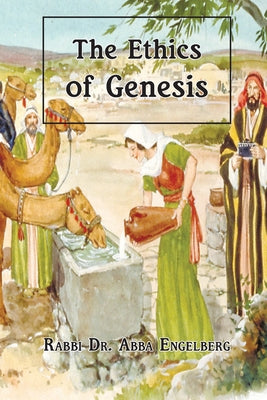
The stories in Genesis are some of the most well-known in the Bible, often introduced to us in childhood. But as adults, when we revisit these narratives, we encounter profound ethical questions that simple explanations can no longer resolve. In The Ethics of Genesis, Rabbi Dr. Abba Engelberg provides fresh insights and original answers to the troubling moral dilemmas found in the first book of the Bible.
Drawing from traditional Jewish commentaries, Midrashic interpretations, and modern ethical frameworks, this book explores the deeper meanings and implications of Genesis' most challenging moments, offering clarity and relevance for contemporary readers.
Key Ethical Questions by Parsha
- Bereishit: Was the punishment of Adam and Eve just, given their limited understanding of good and evil?
- Noach: Did innocent people drown in the flood, and how does this reflect divine justice?
- Lech Lecha: Did Abraham sacrifice Sarah's honor to save his own life, and was this morally defensible?
- Vayera: How could Abraham reconcile his defense of Sodom with his willingness to sacrifice Isaac?
- Chayei Sarah: Did Abraham's decision to insist on paying for the Cave of Machpelah reflect an ethical lesson about honesty in transactions?
- Toldot: Was Jacob justified in deceiving Isaac to secure the blessing, and does the end justify the means?
- Vayeitzei: How did Jacob's work ethic in serving Laban shape the Torah's perspective on labor and fairness?
- Vayishlach: Was Jacob's preparation to meet Esau an ethical example of balancing diplomacy and self-defense?
- Vayeshev: How could Joseph's brothers justify their brutal treatment of him, and what does this teach about jealousy?
- Miketz: Was Joseph's treatment of his brothers upon their arrival in Egypt vindictive or part of a larger moral plan?
- Vayigash: Did Judah's plea to Joseph reflect true repentance, and what can it teach about taking responsibility?
- Vayechi: Did Joseph and his brothers fully reconcile, or were their conflicts unresolved even at the end of Jacob's life?
Ethical Themes Discussed:
- Repentance: Insights into the transformative power of repentance in the stories of Adam and Eve, Cain and Abel, and Joseph and his brothers.
- Work Ethic: Jacob's example of diligence and its broader implications for fairness in labor.
- Physical Beauty: The Torah's perspective on physical appearance and its spiritual and ethical implications.
- Deception: When is lying permissible, and what are the limits of ethical deception in biblical stories?
- Divine Justice: The moral tension in stories like the flood and Sodom, where collective punishment is central.
- Reconciliation: The challenges and nuances of repairing broken relationships, as seen in Joseph's interactions with his brothers.
The Ethics of Genesis invites readers to grapple with the moral complexities of these foundational stories, offering new perspectives on themes of justice, repentance, leadership, and reconciliation.
Rabbi Dr. Abba Engelberg combines rigorous academic methodology with deep reverence for sacred texts. His works are recognized for their clarity, accessibility, and ability to engage readers of all backgrounds. As a teacher and lecturer, he has inspired countless students to approach the Torah as both a spiritual guide and a source of practical wisdom.


