Home › Music › The Early History of the Viol

The Early History of the Viol

by Ian Woodfield

Tracing the viol’s route from Iberia to Renaissance Europe

Regular price $54.21 USD
Regular price $63.78 USD Sale price $54.21 USD
Save 15%

Paperback New English

Delivery to your door
In stock·Dispatches in 1–2 business days
Standard shipping* from $4.35
Standard shipping transit* 5–8 business days after dispatch

Faster options are available.

Rates and delivery estimates depend on your destination and item quantity. Estimates are informational only; the final shipping method and rate are selected at checkout.

Secure checkout
American Express Apple Pay DiscoverGoogle Pay Mastercard PayPalVisa
30-day eligible returns Returns & refunds policy

AlbakiReads Editorial

Tracing the viol’s route from Iberia to Renaissance Europe

Ian Woodfield maps the viol’s emergence from late medieval Spain through its establishment as a leading bowed instrument in sixteenth-century western Europe. The study connects the instrument to the Moorish rahab and vihuela de mano, then follows the Valencian vihuela de arco across the Mediterranean and into Italian courtly circles before its wider European spread. Alongside this geographical history, the book examines Renaissance-era instrument making, changing tuning systems, playing techniques, and repertory for solo and consort performance. A final section turns to England, including the role of London choir-schools in cultivating a viol-playing tradition. Iconographic evidence forms an important part of the investigation.

Good fit for readers who enjoy

  • Musicologists and students of Renaissance music history
  • Viol players interested in the instrument’s origins and early practice
  • Readers of organology and historical musical-instrument studies

Themes

History of the violRenaissance musical instrumentsIberian and Mediterranean cultural exchangeInstrument design and tuningEnglish choir-schools

Based on publisher information and book metadata.

Book overview

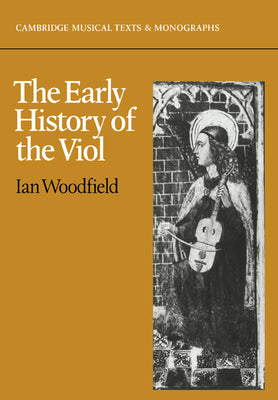
This book traces the development of the viol from its late medieval Spanish origins to the sixteenth century, when it became the most widely played bowed instrument in western Europe. Ian Woodfield examines the two most important ancestors of the instrument, the Moorish rahab and the vihuela de mano. From these two instruments emerged an early form of viol, the Valencian vihuela de arco, which spread rapidly across the Mediterranean during the papacy of Rodrigo Borgia. The viol was enthusiastically accepted by the d'Este and Gonzaga families and other Italian arbiters before migrating across the Alps and into the rest of Europe. The author discusses all aspects of the viol during its Renaissance hey-day: the growing perfection of viol design at the hands of Italian craftsmen; the gradual evolution of tuning systems; the development of advanced playing techniques and the wide range of music, both solo and consort. The final chapter examines the growth of a viol playing tradition in sixteenth-century England, in particular in the London choir-schools. Dr Woodfield brings iconographic evidence and an interesting approach to this study which will be of interest to musicologists, iconographers, organologists and viol players.
Shipping & returnsShipping options, delivery timing, and our return policy.

In-stock items normally dispatch within 1–2 business days. The ZIP-code estimator on this page is informational only; the final shipping method, price, and availability are confirmed at checkout for your full order.

For the initial delivery estimate we use these transit windows after dispatch: Standard 5–8 business days, Expedited 2–4 business days, and Priority 1–2 business days. Holiday delays are not included.

Eligible items can be returned within 30 days in accordance with our return policy.

Customer reviews